Before You See the Hours, Please Manage Our Cookies
Looking up when a store closes should take about five seconds. First, the website needs you to make some decisions.
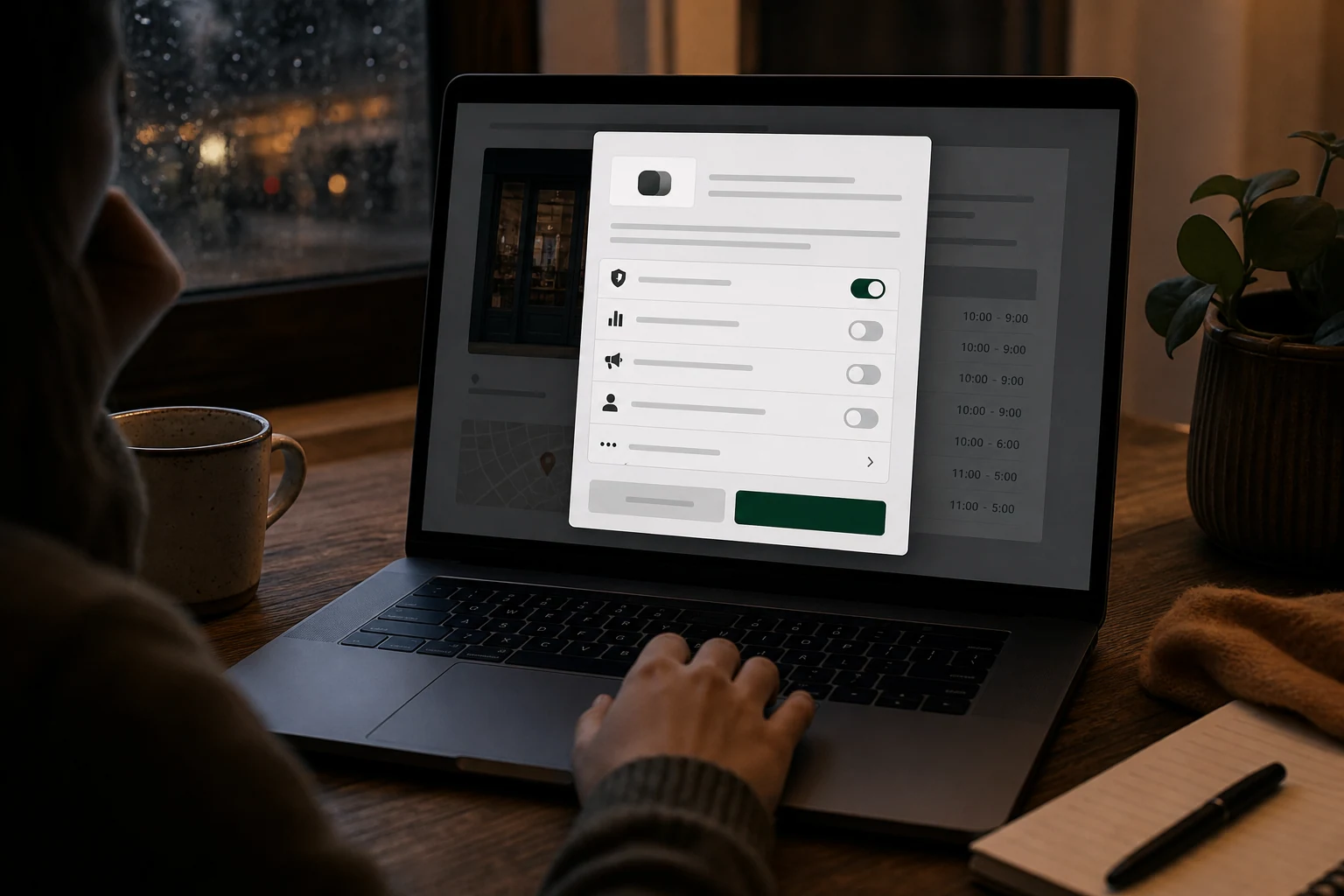
You want to know when a store closes. You open its website. Before you can find the hours, a box appears asking whether you accept cookies.
The store may close in ten minutes. The box has all the time in the world.
Usually there’s a big button to accept everything and another option to manage your choices. So now, instead of checking a business’s hours, you’re managing choices. There are categories. There are switches. There may be a paragraph explaining each switch in language that sounds as though it was approved by six departments, none of which has ever needed to get to a store before closing.
I’m glad websites have to tell us what they’re doing with our information. That’s worth knowing. What gets me is the little obstacle course built between the question and the answer. If agreeing takes one click, declining shouldn’t require an inspection of the control panel.
Sometimes you open the settings and find that a category can’t be turned off because it’s necessary. Fair enough. A website needs certain things to work. But it is strange to be invited to manage a choice that isn’t a choice. That’s less a preference setting and more a guided tour of the switches you’re not allowed to touch.
Then there’s the button at the bottom. Is it “Save”? “Confirm choices”? “Continue without accepting”? You read it twice because clicking the wrong thing might mean agreeing to something, or starting over, or accidentally subscribing to the website’s thoughts about patio furniture.
The hours, meanwhile, are still somewhere behind the box. They might even be visible through the dimmed page, sitting there in plain sight like evidence at a crime scene. You can see what you came for. You just aren’t allowed to read it until you’ve completed the website’s short course in website management.
And this happens over and over. Each site wants a fresh decision. No one seems to remember that you have already expressed a fairly consistent preference for being left alone while looking things up.
Maybe that’s the part that feels most ridiculous. The internet can remember a pair of shoes you glanced at three weeks ago, but it needs another meeting to find out whether you want cookies.
Anyway, the store closes at six. That information was available the whole time. It was just waiting for you to finish your paperwork.
The conversation
Have a thought? Add it below. Comments are reviewed before they appear.