I Was Ready to Pay Until You Mentioned a Promo Code
The checkout page was going fine. Then one empty box suggested there might be a cheaper way to finish it.
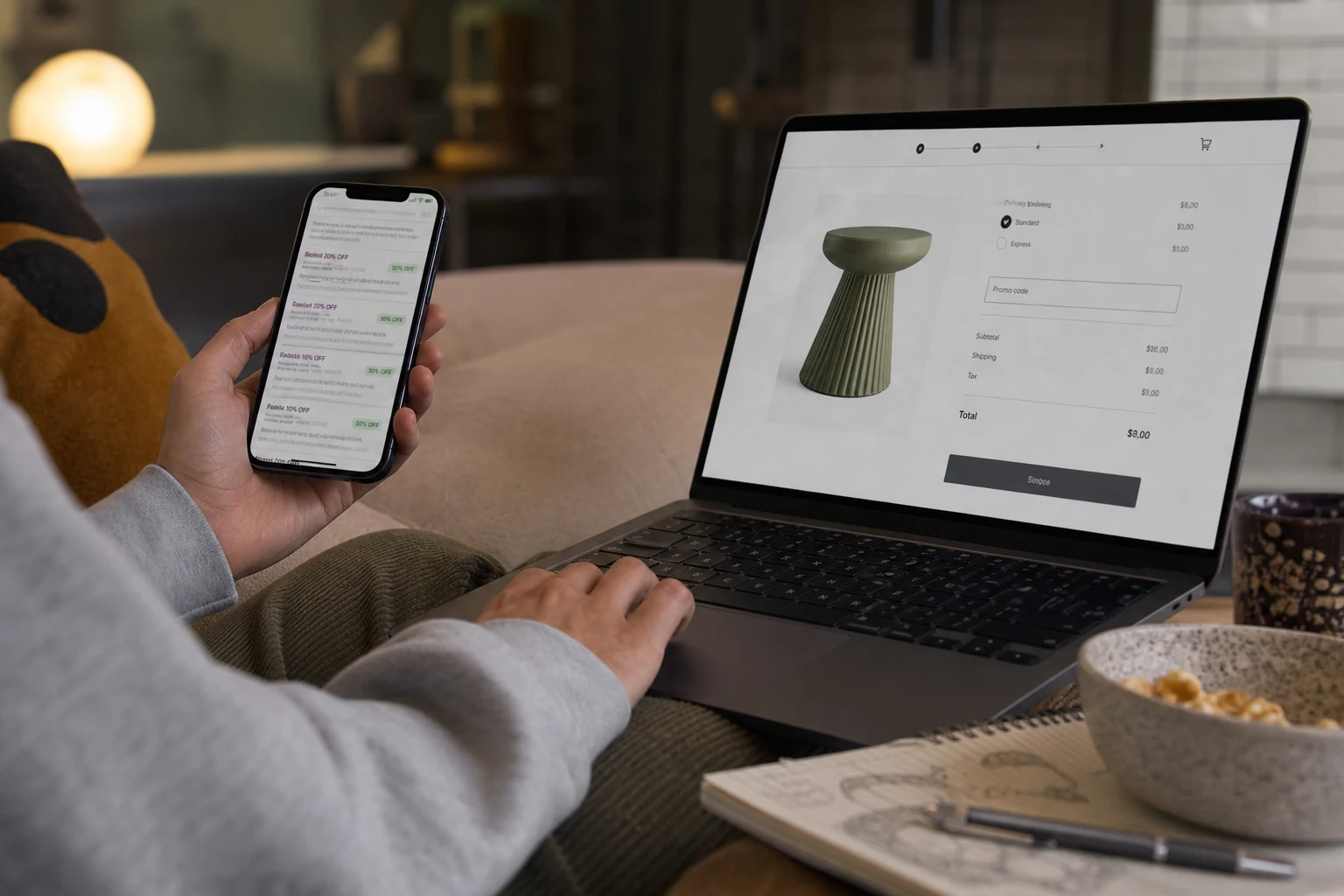
You find the thing you want. You put it in the cart. You enter your address. Then, just before you pay, the checkout page asks for a promo code.
I didn’t have a promo code. I was prepared to pay the price shown. But now the store has introduced the possibility that some other person is paying less for the exact same thing because they know a word.
So you open another tab. This is no longer shopping. This is a brief investigation into whether SAVE20 is still legally recognized.
The search results offer plenty of confidence. One site says the code works. Another says it worked recently. Neither seems especially troubled when you return to checkout and learn that it does not work here, today, on this item, with this email address, under the current arrangement of the planets.
Try another code. Expired. Another. New customers only. Another. It applies to a category that apparently does not include the thing you’re buying, despite every visible sign that it does.
All of this began because the store put an empty rectangle on the page.
I understand why promo codes exist. Sometimes a store sends one to people for an actual promotion. Fine. But showing the box to everybody at checkout is a strange move. It’s like a cashier pausing before giving you the total and asking if you know the secret price.
If you don’t, there’s no need to feel bad. You can just pay the regular price while the secret-price people go about their business.
The really impressive part is how quickly the box changes the purchase. Five minutes ago, you liked the item and thought the price was reasonable. Now you’re reluctant to buy it because a coupon website claims somebody once got twelve percent off in March. The store hasn’t raised the price. It has simply asked whether you’re sure you want to pay it.
Eventually you close the extra tabs. Maybe you buy the thing. Maybe you decide to think about it, which is what we call leaving seventeen tabs open until the computer needs an update.
Either way, the promo code box did its job. It took a customer who was ready to pay and gave them homework.
The field is still empty, in case you find the secret word.
The conversation
Have a thought? Add it below. Comments are reviewed before they appear.