I’m Buying Batteries, Not Joining a Club
The store just needs to sell me batteries. First, it would like to know whether I’m a member.
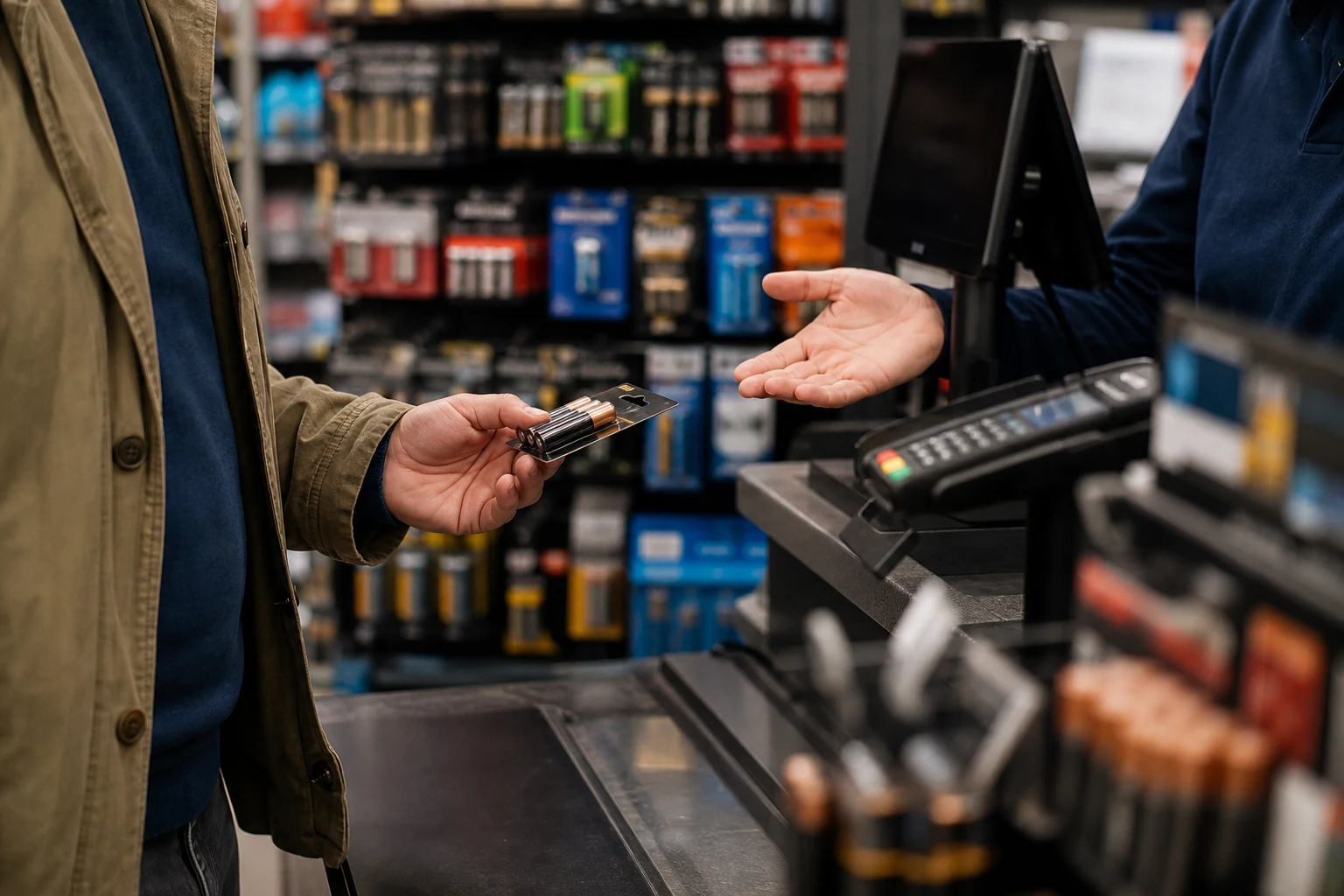
Buying batteries should involve finding the right batteries, paying for them, and leaving with batteries. Somewhere along the way, stores added a question: “Do you have a rewards account?”
No. I have dead batteries. That’s why I’m here.
The question is harmless enough. The person at the register didn’t invent it, and they have to ask everybody. But it does change the mood of a purchase. You thought you were buying an ordinary household item. The store thinks this might be the beginning of a relationship.
Maybe you’re already a member and have forgotten. Could you enter your phone number? If that doesn’t find you, maybe it’s under another number. You’re now trying to remember which version of yourself bought dish soap here two years ago.
If you’re not a member, would you like to sign up? There might be a discount. The price printed on the shelf may even be the member price, which means the first thing you learn at checkout is that you brought the wrong identity to buy batteries.
I understand why stores offer rewards programs. Some people use the discounts. Fine. But there’s something odd about making a routine purchase feel slightly unfinished unless it’s attached to a phone number.
A phone number used to be something you gave a person so they could call you. Now it’s a key to your grocery history. You type it into a little pad, wait for the system to decide whether you exist, and hope you’ve remembered the number you used when you signed up. All this while holding a pack of AA batteries.
And if you decline, there’s that tiny pause before the transaction continues. Nothing dramatic. Just enough time for the register to acknowledge that you have chosen to pay full price and remain a stranger.
The batteries, to their credit, have no interest in any of this. They don’t care whether you’re a member. They don’t need your birthday. They’re going to sit in a drawer until a remote quits working, then do the one job they were made to do.
That’s a pretty good system. The store should look into it.
The conversation
Have a thought? Add it below. Comments are reviewed before they appear.